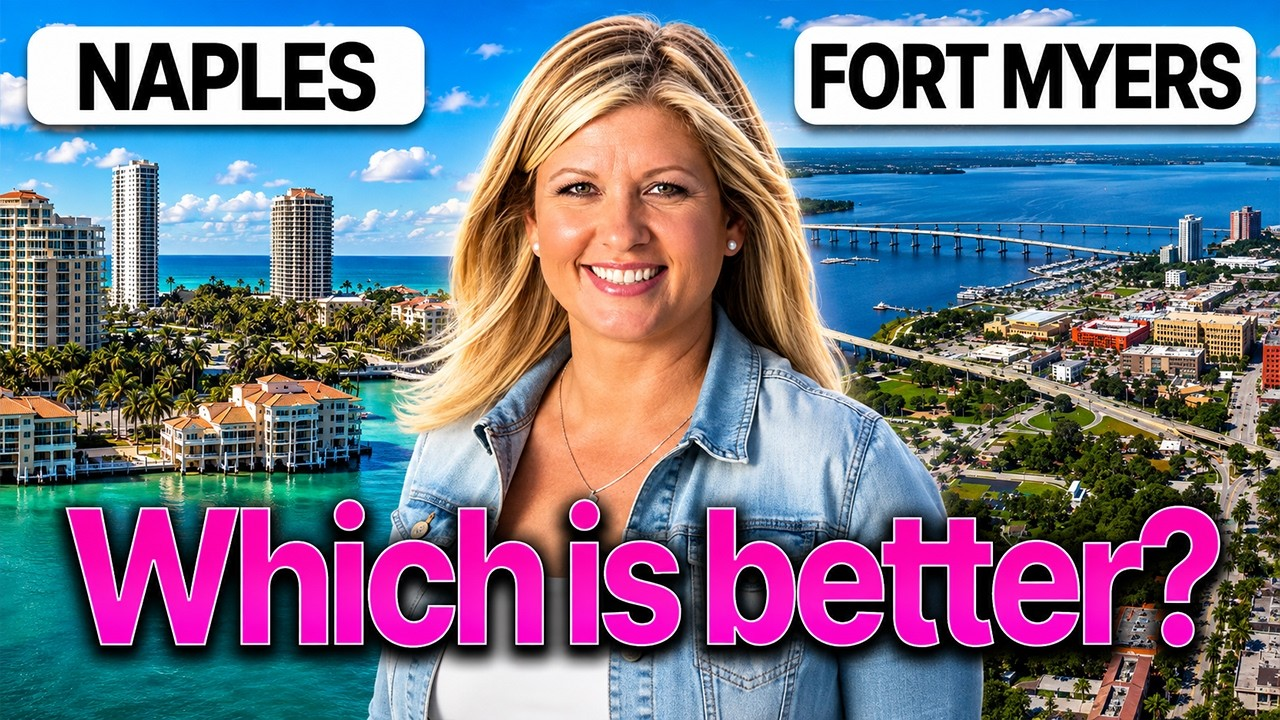
Everything You Need to Know About Naples, Florida
The sand here is white, the Gulf is warm, and the vibe is polished in a way that feels effortless even when it costs a fortune. Naples sits on Florida's southwest coast, and if you've heard the name, you probably know it as a place where retirees and second-home owners spend serious money on golf and beachfront property. That reputation is real, but it's not the whole story.
I've lived here since 1998, and I've watched Naples grow from a quiet winter escape into a year-round destination that still manages to feel calm. The beaches are some of the best in the state, the dining scene rivals cities twice this size, and you can see dolphins from the pier on a Tuesday morning. But Naples is also expensive, especially close to the water, and the summer heat is no joke. If you're thinking about relocating here, you need to know what you're trading for that Gulf access and those sunsets.
This is Naples: the beaches, the shopping districts, the wildlife, the weather, and what it actually costs when you move a few miles inland. Let's walk through it.
Table of Contents
- Where Naples Sits on Florida's Gulf Coast
- Who Lives in Naples and Why They're Here
- The Beaches: White Sand and Warm Water
- Third Street South: Dining and Shopping
- Fifth Avenue South: The Heart of Downtown
- Wildlife and Outdoor Experiences
- Naples Weather Throughout the Year
- Cost of Living and Home Prices Away from the Beach
- Is Naples Right for You?
Where Naples Sits on Florida's Gulf Coast
Naples is on the southwest corner of Florida, about two hours south of Tampa and an hour and a half north of the Keys. You're on the Gulf of Mexico, which means calm water, gradual sunsets, and beaches that face west. Marco Island is just south, Bonita Springs and Estero are north, and Fort Myers is about 40 minutes up the coast. If you're flying in, Southwest Florida International Airport in Fort Myers is the closest hub.
The city itself is compact. Downtown Naples, the beaches, and most of the shopping are within a few miles of each other, and you can get from Fifth Avenue to the pier in ten minutes. Once you head east toward I-75, the landscape opens up into golf communities, newer construction, and the edge of the Everglades. That's where prices drop and lot sizes grow, but you lose the walkability and the Gulf breeze.
Who Lives in Naples and Why They're Here
Naples has a reputation as a retirement and second-home destination, and the numbers back that up. The population skews older, and a lot of the homes here are owned by people who spend winters in Florida and summers somewhere else. You'll see that in the seasonal rhythm: snowbird season runs roughly November through April, and that's when the restaurants are packed, the beaches are busiest, and the traffic on 41 picks up.
But there's also a year-round population of people who work here, raise kids here, and aren't just passing through. The schools in Collier County serve those households, and you'll find parks, youth sports, and a growing number of younger buyers who want the lifestyle without waiting until they're 65. Naples isn't age-restricted as a city, though some of the golf communities are 55+ or active adult. The overall vibe is quiet, polished, and more conservative than the east coast of Florida.
The Beaches: White Sand and Warm Water
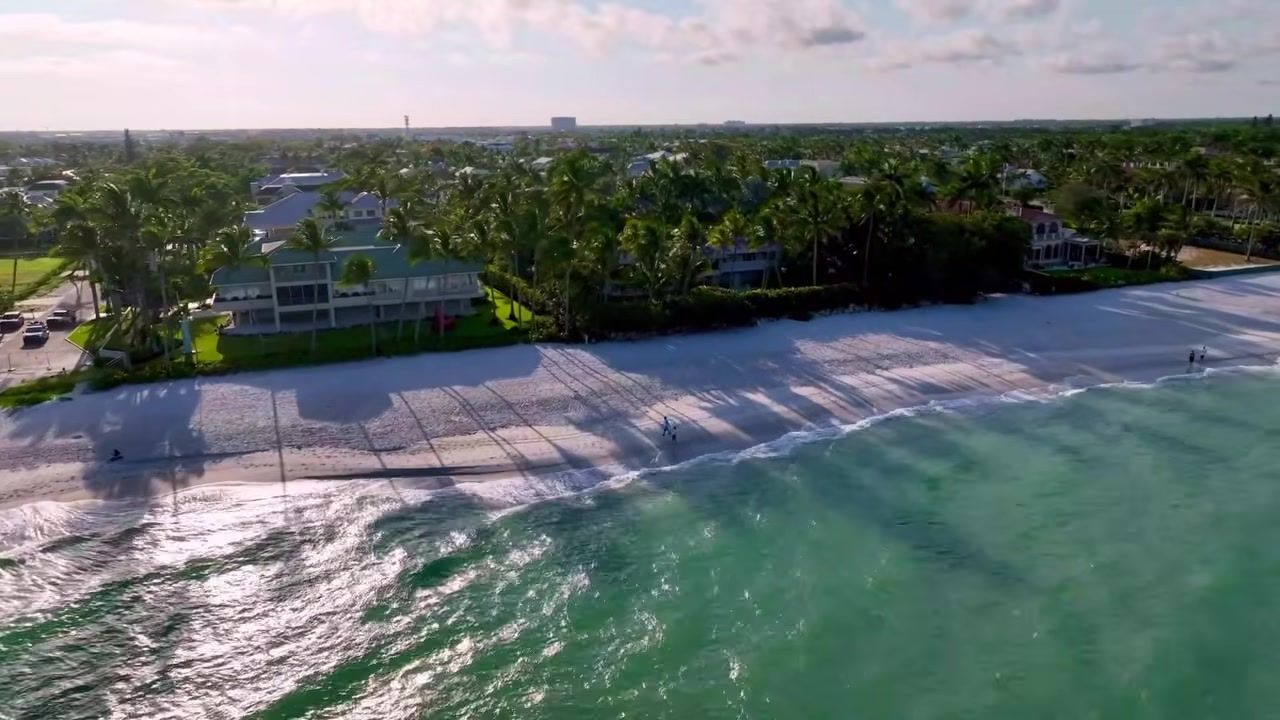
The beaches are what people come here for, and they deliver. The sand is white, fine, and stays cool even in the middle of summer. The Gulf is warm, the water is clear, and the waves are gentle, which makes it easy to swim, paddleboard, or just float. You're not dealing with the Atlantic chop or the seaweed that piles up on the east coast.
Naples has several public beach access points, and they're popular. The Naples Pier is the most iconic spot: you can walk out over the water, watch for dolphins, and catch the sunset with a crowd. Parking fills up early, especially in season, so if you want a spot close to the sand, plan to arrive before 9 a.m. or be ready to circle. Lowdermilk Park is another well-known beach with facilities, and Vanderbilt Beach to the north has more parking but still gets busy.
If you live in one of the beachfront communities or the neighborhoods within walking distance, access is easier. But if you're buying inland, know that a beach day requires a drive, a parking strategy, and some patience during snowbird season.
Third Street South: Dining and Shopping
Third Street South is one of Naples' main shopping and dining districts, and it's walkable, tree-lined, and feels more like a small downtown than a strip mall. You'll find boutiques, galleries, cafes, and restaurants that range from casual to white-tablecloth. The architecture is low-rise, the sidewalks are wide, and the whole area is designed to stroll.
The dining here is strong. You can get fresh seafood, Italian, farm-to-table, and upscale American, and the quality is consistently high. Prices reflect the location: you're paying for the atmosphere, the proximity to the beach, and the fact that this is where visitors and locals both go when they want a nice meal. Reservations help, especially in season.
Third Street is also close to the beach, so it's common to park once, hit the sand, and then walk over for lunch or dinner. If you're someone who values walkability and wants to be able to leave the car at home, this is one of the few parts of Naples where that works.
Fifth Avenue South: The Heart of Downtown
Fifth Avenue South is the other major downtown district, and it's bigger and busier than Third Street. This is where you'll find more restaurants, more shops, and more nightlife. The street is lined with galleries, clothing stores, home decor, and places to eat, and it's the center of Naples' social scene.
The dining options here cover a wide range: seafood, steakhouses, wine bars, gelato, and outdoor patios where you can people-watch. Fifth Avenue is also where a lot of the events happen, from art walks to holiday markets, and it's the spot that feels the most like a traditional downtown. You can park in one of the public garages and spend an afternoon or evening without moving the car.
Like Third Street, Fifth Avenue is close to the beach and walkable if you live nearby. If you're farther out, you're driving in, and parking can be tight during peak times. But if you want the energy of a downtown without the density of a big city, this is it.
Wildlife and Outdoor Experiences
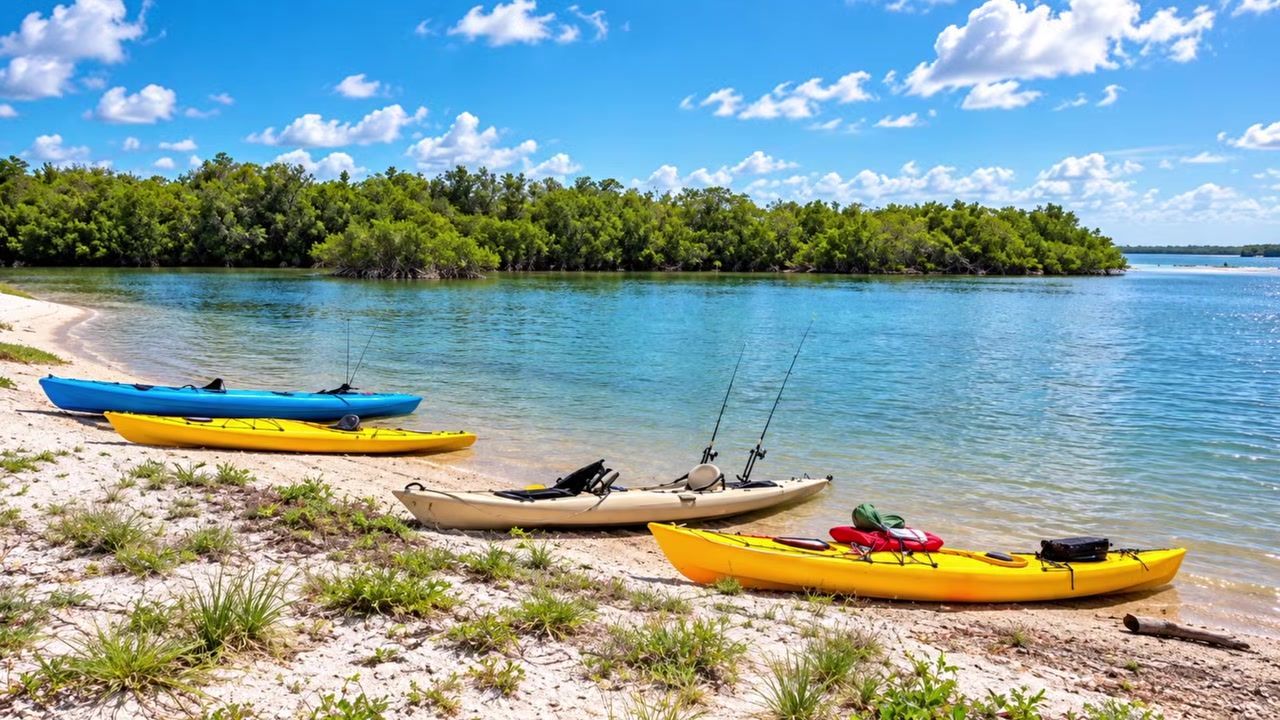
Naples sits between the Gulf and the Everglades, and that geography brings wildlife into your daily life. You'll see dolphins from the beach, manatees in the canals, and wading birds in the mangroves. Gopher tortoises are common in the neighborhoods, and alligators live in the freshwater ponds and golf course lakes. That's not a scare tactic; it's just part of living here. You learn to check before you let the dog near the water.
The outdoor experiences go beyond the beach. You can kayak through the mangroves, fish in the Gulf or the backcountry, bike the trails, or explore the preserves. The Everglades are close enough for a day trip, and the birding here is exceptional if that's your thing. Naples is also known for golf, with dozens of courses, many of them private and attached to gated communities.
If you're someone who wants to be outside year-round and doesn't mind sharing the space with the local wildlife, Naples gives you a lot of options. Just know that summer is hot and buggy, so the best outdoor months are roughly October through May.
Naples Weather Throughout the Year
Naples has two seasons: the dry season and the wet season. The dry season runs from November through April, and that's when the weather is close to perfect. Temperatures are in the 70s and 80s, humidity is lower, and it rarely rains. This is snowbird season, and it's when the city is fullest and the outdoor activities are most comfortable.
The wet season is May through October, and it's hot. Summer temperatures are in the 90s, humidity is high, and afternoon thunderstorms are almost daily. The storms are usually short and heavy, and they cool things off for an hour or two, but the heat comes back. Hurricane season runs June through November, and while direct hits are rare, you need to be prepared and have a plan.
If you're relocating from up north, the summer heat is the biggest adjustment. There's no spring or fall the way you're used to, and you'll spend a lot of time indoors between June and September. But the trade-off is that you can be outside in January without a coat, and the Gulf water stays warm almost year-round.
Cost of Living and Home Prices Away from the Beach
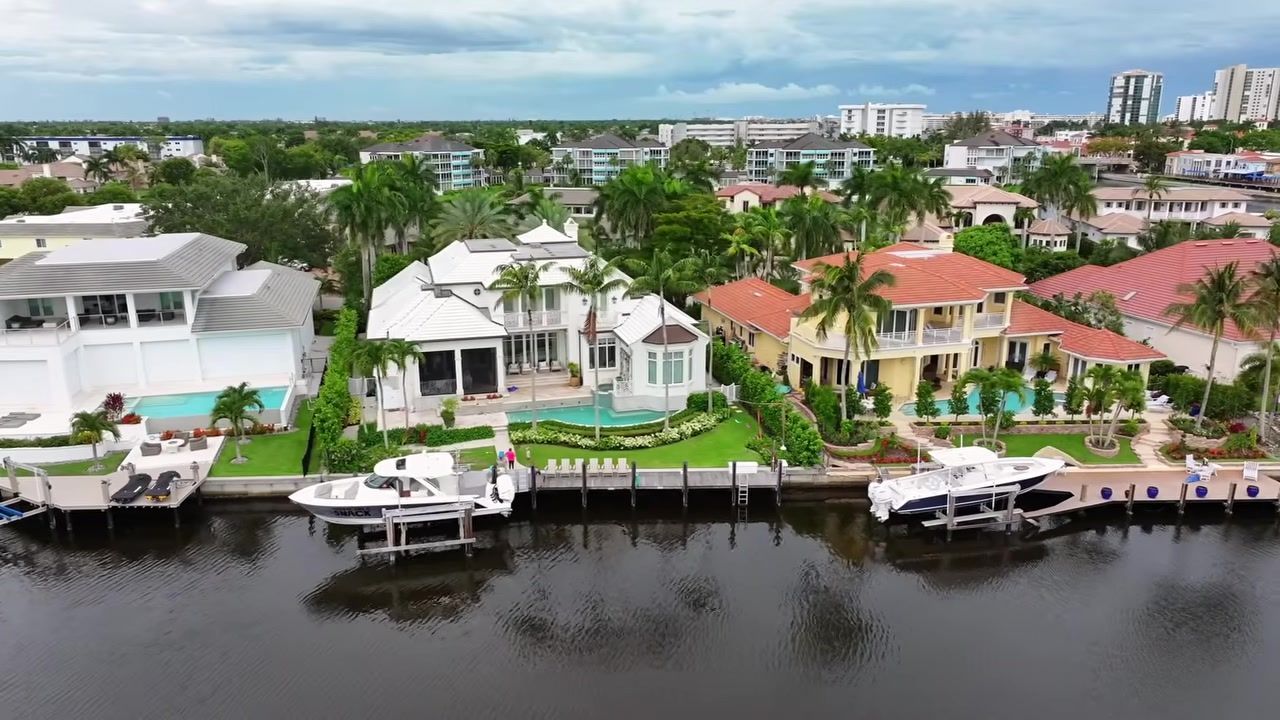
Naples is expensive, especially close to the water. Beachfront homes and properties in the most desirable neighborhoods can run into the millions, and even condos near the Gulf are priced at a premium. But if you're willing to move a few miles inland, the cost drops significantly.
East of downtown and closer to I-75, you'll find newer construction, larger lots, and more affordable single-family homes. You're trading the walkability and the Gulf breeze for space, a bigger house, and a lower price per square foot. Many of these areas are part of golf communities or master-planned developments with amenities, and they're where a lot of the year-round residents live.
Florida has no state income tax, which helps offset some of the cost, but property insurance has gone up across the state, and that's something to factor into your budget. HOA fees in the golf communities can also be significant, depending on the amenities and the level of maintenance.
If you're relocating to Naples, your budget and your priorities will determine where you land. Close to the beach means higher prices and smaller lots. Inland means more house for the money, but you're driving to the water and the downtown districts.
Is Naples Right for You?
Naples is quiet, polished, and beautiful, and it's one of the best places in Florida if you want Gulf access, great dining, and a slower pace. The beaches are exceptional, the outdoor experiences are varied, and the weather is warm most of the year. But it's also expensive, especially near the water, and the summer heat is intense. The population skews older, and the vibe is more conservative and reserved than you'll find in Miami or Tampa.
If you're thinking about relocating here, the question is whether the trade-offs work for you. Are you okay with the cost? Can you handle the summer humidity? Do you want a place that's calm and upscale, or are you looking for more energy and diversity? Naples delivers on what it promises, but it's not for everyone.
I've been here since 1998, and I've helped hundreds of buyers navigate this market. If you're considering Naples, Marco Island, Bonita Springs, Estero, or Fort Myers, let's talk. I can show you what's available, walk you through the neighborhoods, and help you figure out where you actually want to be. Give me a call, send a text, or schedule a Zoom, and we'll make sure your move to Southwest Florida is smooth.
FAQ: Living in Naples, Florida
What is Naples, Florida known for?
Naples is known for its white sand beaches, calm Gulf waters, upscale golf communities, and polished downtown shopping and dining districts like Third Street South and Fifth Avenue South. It's also recognized as a retirement and second-home destination with some of the most expensive real estate in Florida.
Is Naples, Florida expensive to live in?
Yes, especially near the beach. Beachfront and downtown properties are priced at a premium, but homes farther inland and east toward I-75 are more affordable. Florida has no state income tax, but property insurance and HOA fees in golf communities can add to the cost.
What is the weather like in Naples year-round?
Naples has a dry season from November through April with temperatures in the 70s and 80s, low humidity, and little rain. The wet season from May through October is hot and humid, with daily afternoon thunderstorms and temperatures in the 90s. Hurricane season runs June through November.
Are there good beaches in Naples?
Yes. Naples has several public beaches with white sand and warm, calm Gulf water. The Naples Pier is the most iconic spot, and Lowdermilk Park and Vanderbilt Beach are also popular. Parking fills up early during snowbird season, so plan accordingly.
What kind of wildlife will I see in Naples?
You'll see dolphins, manatees, wading birds, gopher tortoises, and alligators. The area sits between the Gulf and the Everglades, so wildlife is part of daily life. Always check freshwater ponds and canals before letting pets near the water.
Is Naples a good place to retire?
Naples is a popular retirement destination with a large seasonal population, excellent golf courses, and a quiet, upscale atmosphere. Some communities are age-restricted, but the city itself is not. The cost of living is high, and summer heat can be a challenge, but the dry season weather and Gulf access are major draws.
Meet Mindy S. Sylvester PA
As one of the top Realtors in the country, Mindy has listed and sold over 800 homes. She is the co-owner of one of the largest teams in SWFL.
Recent Posts